
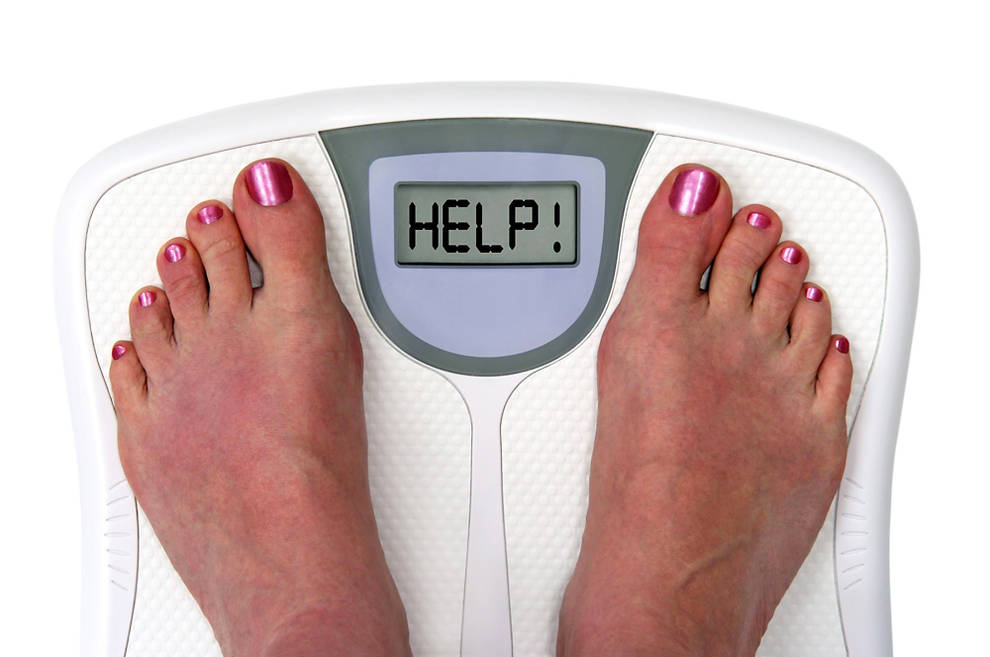
Sure, you might be able to drop 10 or 20 pounds in a month, but that doesn’t mean you should. We weigh the facts about safe and sustainable weight loss.
How many pounds you can drop and how quickly really depends on your current weight, your metabolism, your diet, your stress levels, and your activity. It probably also depends on your gut bacteria and your genetics.
Fast weight loss plans may help you drop pounds, but they’re not always safe or lasting. Here’s how much is safe and sustainable—plus how to shed LBs smarter.

FAT BURNING BODY WEIGHT TRAINING PROGRAM

Fast weight loss promises—lose 20 pounds in four weeks!—aren’t really our thing. But we understand the allure. After all, it’s a rare person who hasn’t Googled “can I lose 10 pounds in two months?” in advance of a high school reunion, wedding, or other major event at least once. While we know enough to ignore quick-and-dirty, fast-fix, starvation diets, though, what about a healthy weight-loss plans—how much can you really expect to lose in 30 days?
Get out your calculators and follow along because the answer to this question is all about numbers.
In one month, you can reasonably anticipate losing eight to 10 pounds if you follow a pretty strict plan. (So, your Q about if you can lose 10 pounds in two months? The answer is yes!) Losing one pound of body fat is equivalent to 3,500 calories. To lose two pounds per week, you must drop 1,000 calories per day. That means cutting the calories you eat, increasing the amount of calories burned during your workout—or, most likely, doing some combination of both.
(This advice only works if you’re taking in too many calories to begin with, though. If you’ve already been on low-cal diet, you may need to up your intake to see healthy results. Case in point: This rock-star.)
FASTEST WAY TO GET SHREDDED ABS
If you’re looking to cut cals in the kitchen, a daily food journal is clutch. This can be as simple as a piece of paper or a phone app like MyFitnessPal. Logging every morsel that goes in your mouth might seem tedious, but it’s a proven way for dieters to see patterns like mindless snacking and overeating during stressful times, both of which can lead to additional calories consumed. Dropping 1,000 calories per day may seem daunting, but if you think about it in terms of second helpings, pieces of bread, pats of butter, raids of the cookie jar, etc., it’s easy to see where you can make small changes to pare down that number. For instance, these 30 easy strategies all help you drop 100 extra cals from your diet fast.

BUILD A BIGGER BOOTY
If you’re looking for a calorie-burning assist from the gym, aim for a moderate workout five to six days per week. The number of actual calories burned will be determined by your sex, weight, how fast you did the exercise, and how long you did it. Here are just a few general examples based on a person who weighs 150 pounds. (Bonus: How to Burn 500 Calories in 30 Minutes)
- Running on the treadmill for 20 minutes at 6 MPH: 229 calories
- Working out on the elliptical for 30 minutes: 179 calories
- Swimming breast stroke for 30 minutes: 189 calories
- Kickboxing for 30 minutes: 357 calories
The mantra, “eat less, move more,” can sound like a trite piece of advice, but it’s the best mindset. Diet plans that promise more than a 20-pound loss per month will ask you to push yourself further than you should on a workout regimen, or eat less than the required daily calorie limit. The American Academy of Nutrition and Dietetics recommends that women never eat less than 1,200 calories and men never eat less than 1,800 calories per day. Go under that, and you’re messing with your physical and mental wellness—not a happy place to be.
 AGORA FITNESS