

Yoga is a beautiful ancient tradition with equally beautiful symbols and language.
Symbols are a huge part of our lives whether we take notice of them or not, and in yoga they are very prevalent and hold a lot of meaning. Yoga symbols, like quotes, are an important part of human communication and are meant to convey a message, idea, concept, experience and/or spiritual belief in a visual form.

FAT BURNING BODY WEIGHT TRAINING PROGRAM

We put together a list of the 5 most common yoga symbols used in yoga and explained their deeper meaning. Read on to learn more about these popular symbols.
1. Om / Aum symbol
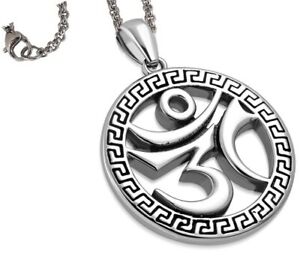
One of the most common and sacred symbols in the yogi tradition is the Om or Aum. Om is the consciousness of the Universe solidified into sound; chanting it at the beginning and end of yoga classes, as well as during meditation, connects us to to the vibration that permeates the cosmos and brings a deep feeling of clarity and bliss. It is considered to be one of the most potent mantras.

FASTEST WAY TO GET SHREDDED ABS
2. Hamsa hand meaning
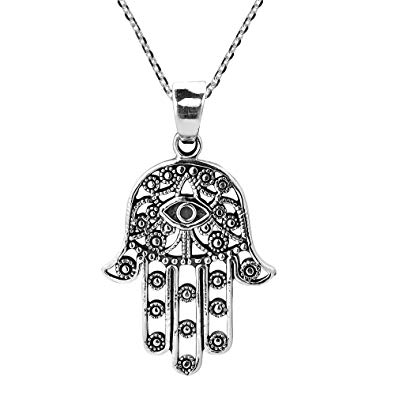
In many cultures, the hamsa hand is meant to represent the hand of God and serve as protection against evil. This is why you’ll often see an eye at its center, which is meant to watch out for evil coming your way.
Alternatively, the word ‘hamsa’ means five fingers. In some ancient Hindu and Buddhist texts, it has been defined as the symbol of free-flowing life force or prana thus bringing harmony between the chakras and the 5 senses.
This symbol is for you if: You have felt the hand of protection throughout your life or if you want a beautiful reminder to balance the energy flow throughout your body.

BUILD A BIGGER BOOTY
3. Mandala symbol
Used to represent the universe, mandala translates to “circle” in Sanskrit. The delicate way that the patterns and colors interlace within the Mandala represents the balance, harmony, and unity that one can find when looking closely at nature, life, and the universe.
4. The Lotus Flower
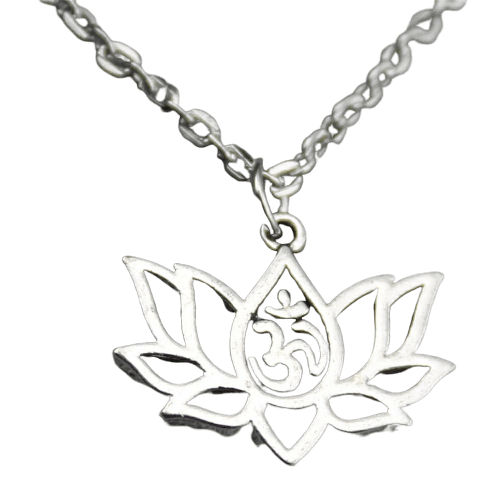
The Lotus Flower, also known as a Water Lily, is an important symbol in many cultures. There is a running theme within the Hindu, Buddhist and Egyptian cultures pertaining to the Lotus. This special flower rises from dark, muddy waters and blossoms into a gorgeous and alluring flower.
The really unique thing about this flower is the way it blossoms. The core of the flower and the pedals never touch the dirty water it grows in.
As a symbol this represents the human journey of rising above any adverse or unfortunate circumstances and into a self aware and spiritually enlightened human being.
5. Buddha
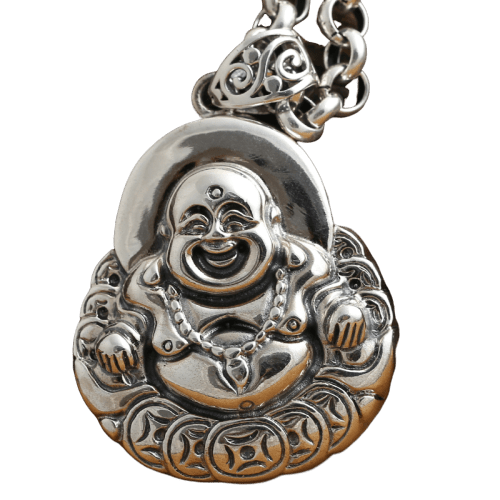
“Buddha” means “the awakened one”– a person that has reached enlightenment. It represents the founder of Buddhism, Siddhartha, a prince who lived a sheltered and lavish life until he decided to go wander the world in search of true happiness and a cure for suffering. He is shown in many different poses, which include ones that portray meditation, protection, bliss, healing, and touching the earth.
 AGORA FITNESS